By Roger Gfeller,DVM DACVECC: Michael Thomas, DVM: Isaac Mayo: The VIN Emergency Medicine Consultants
Revised: August 13, 2023
Bloat is a life-threatening condition in which the stomach fills with air (dilation) and/or twists upon itself (volvulus). It’s also called GDV-gastric dilation volvulus.
What to do
- Transport to a veterinary hospital or emergency facility immediately. In all cases, this condition requires professional assistance. Most cases will require surgery.
What NOT to do
- Do not attempt to relieve the gas from the stomach
- Do not give anything by mouth
It is imperative that this condition be recognized early. Your pet’s abdomen may not have a bloated appearance. Signs of bloat include:
- Drooling of saliva
- Frequent retching and attempts to vomit (occasionally patients may be able to regurgitate pool of foamy saliva)
- Anxiety, restlessness, and pacing
- Lethargy or agitation
- Depression and shock
Much has been learned about bloat in the past decade. Decades ago, a diagnosis of bloat was almost always a death sentence because only 25 percent survived. Today the survival rate is better than 80 percent with surgery. Part of the reason for this is increased owner awareness. The earlier the veterinarian gets started with treatment and takes the pet to surgery (after stabilization for shock) the better chance there is for survival. Extremely aggressive medical and surgical intervention early in the course of the disease has the most dramatic impact on overall treatment success.
Prevention
Research into this area is ongoing and many studies have produced conflicting results. No one intervention has shown to prevent GDV. Elevated feeding may actually increase the risk of GDV in some patients. Smaller kibble size, feeding smaller more frequent meals,and not breeding animals with a history of GDV in their lineage may potentially decrease the risk of GDV for the animal and future generations.
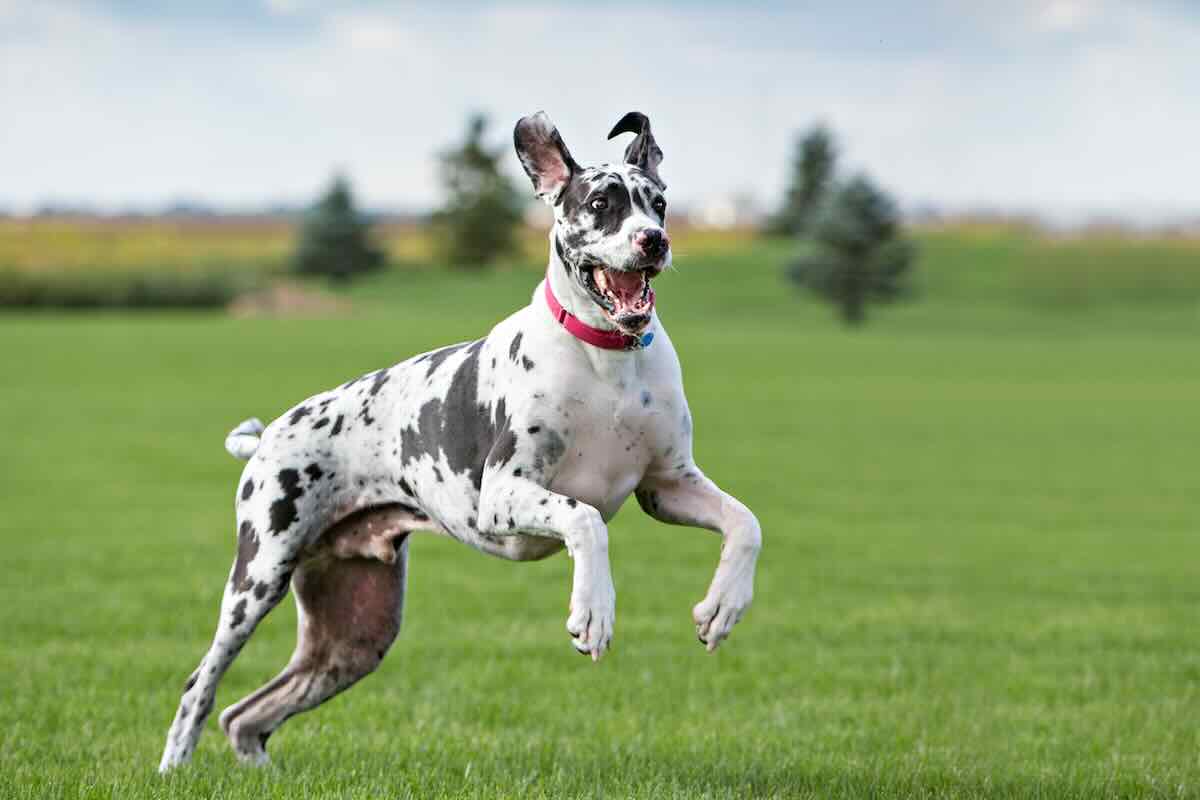
In breeds with a high risk of bloat, such as Great Danes, German Shepherd Dogs, and Akitas (as well as other deep chested dogs), a preventive surgery called a prophylactic gastropexy can often be performed when the dog is being spayed or neutered. This involves surgically attaching the stomach to the inside of the abdomen to prevent rotation and can sometimes be done through “minimally invasive surgery” or laparoscopy. Ask your veterinarian for details and advice if you would like to discuss preventive surgery for bloat.
Note from Dr. Dave
If you have a breed at risk consider prophylactic gastropexy. It may protect your pet and safeguard you from terrible heartbreak. Bloat is the Mother of all emergencies.
For more information on this and other topics, go to : veterinarypartner.vin.com